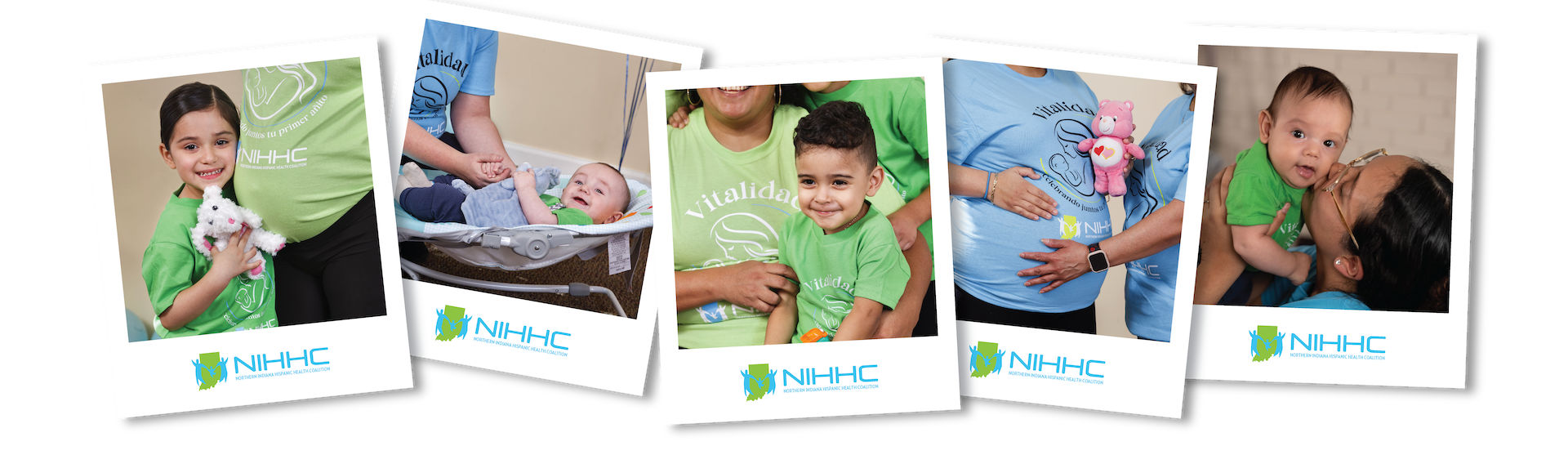
Demasiados bebés no llegan al año. Ayúdanos a salvarlos.
Understanding Infant Mortality
INFANT MORTALITY
The death of a baby before their first birthday
INFANT MORTALITY RATE
the number of infant deaths for every 1,000 live births
The infant mortality rate is the number one indicator of a population’s overall health and well-being. The U.S. Healthy People 2030 goal aims to reduce the national rate to 5.0. However, Indiana’s rate remains significantly higher, with northern Indiana experiencing some of the worst outcomes in the state.
In Elkhart County, the disparities are especially stark. Two zip codes—46516 and 46514—ranked among the top 10 highest infant mortality rates in Indiana in 2022. The burden is even greater among underrepresented communities. Elkhart County has the highest Hispanic infant mortality rate in the state, and in zip code 46514, the Hispanic infant mortality rate exceeds rates in countries like Mexico and Colombia.
Major Causes
- Perinatal Risks – Health problems that can happen to a baby or mother around the time of birth (shortly before, during, or after delivery). These risks can include things like premature birth, low birth weight, or delivery complications.
- Congenital Anomalies – Birth defects or physical problems that a baby is born with. These can affect how the baby’s body parts or organs form or work (like heart defects or cleft lip).
- SUIDs (Sudden Unexpected Infant Death) – When a baby under 1 year old dies suddenly and unexpectedly, often during sleep, and the cause isn’t immediately clear. It includes things like SIDS (Sudden Infant Death Syndrome).
Statistics
INFANT MORTALITY RATE
the number of infant deaths for every 1,000 live births
Indiana infant mortality rate
Infant mortality rate among Hispanics in zip code 46514
Hispanic infant mortality rate in Elkhart County
Hispanic pregnant women in Indiana not receiving prenatal care during the 1st trimester
Hoosier babies died before their 1st birthday in 2023
Barriers to a healthy pregnancy
-
Lack of access to prenatal care
-
Difficulties understanding the U.S. Healthcare system
-
Language and cultural barriers in care
-
Inadequate housing/sleeping situation
-
Fear of judgment
-
Fear associated with immigration status
-
Lack of support systems
-
High cost of care
-
Lack of culturally sensitive care
-
Lack of health education materials in Spanish
Health Services
NIHHC works to overcome barriers, increase access to perinatal health care, and reduce the risk of infant mortality through education and preventative health screenings that equip community members with the knowledge and resources to have a healthy pregnancy and baby.
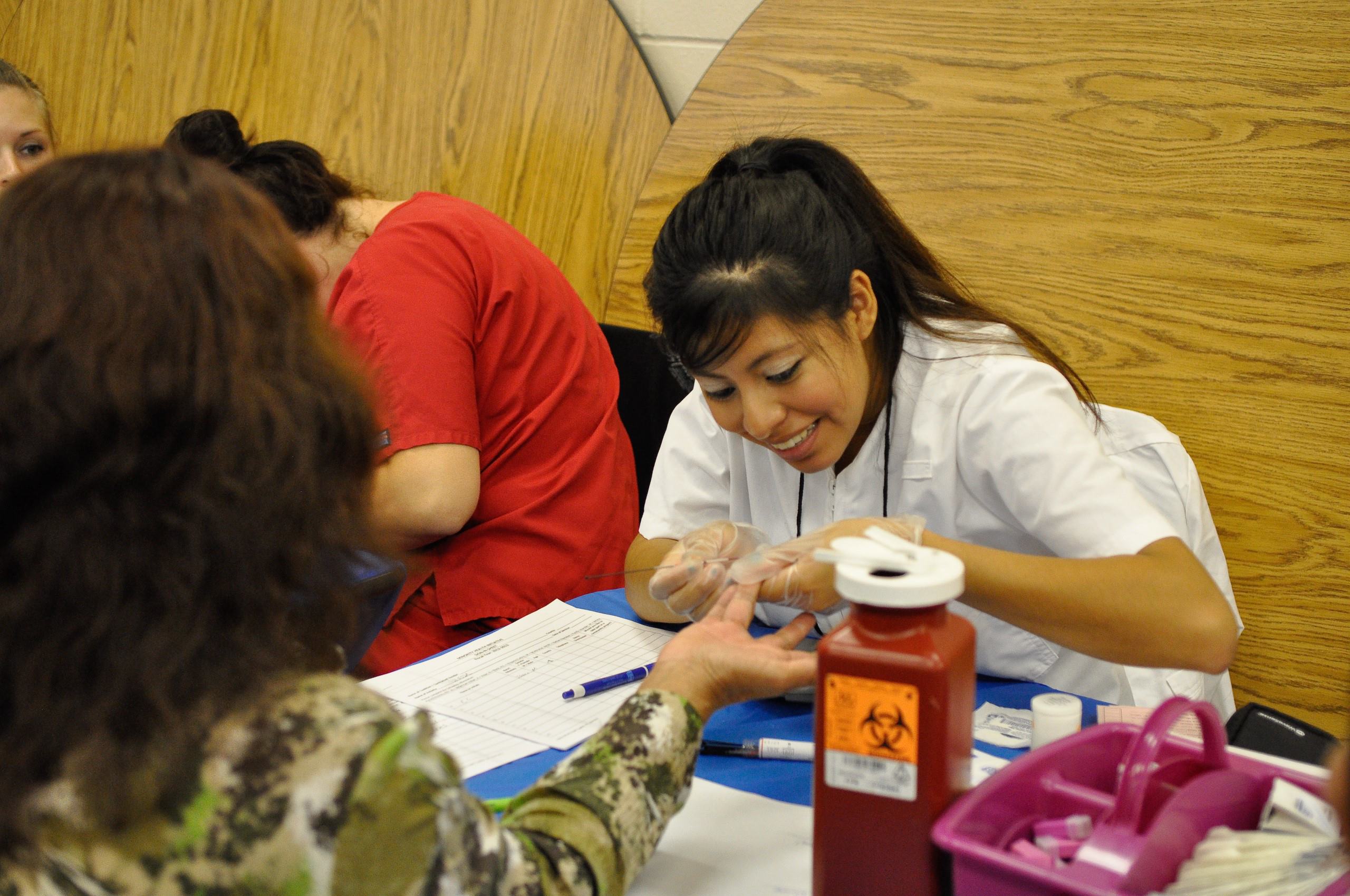
Health Screenings
NIHHC offers a variety of health screenings free of cost or at low cost. Health screenings can help you identify health conditions, which is crucial for ensuring the best possible outcomes for you and your baby. NIHHC’s bilingual staff will help you understand your results and determine next steps.
Education
NIHHC offers educational and informative resources in Spanish to reduce the risk of infant mortality. Resources include informational videos, brochures, and other informative materials.

Referrals
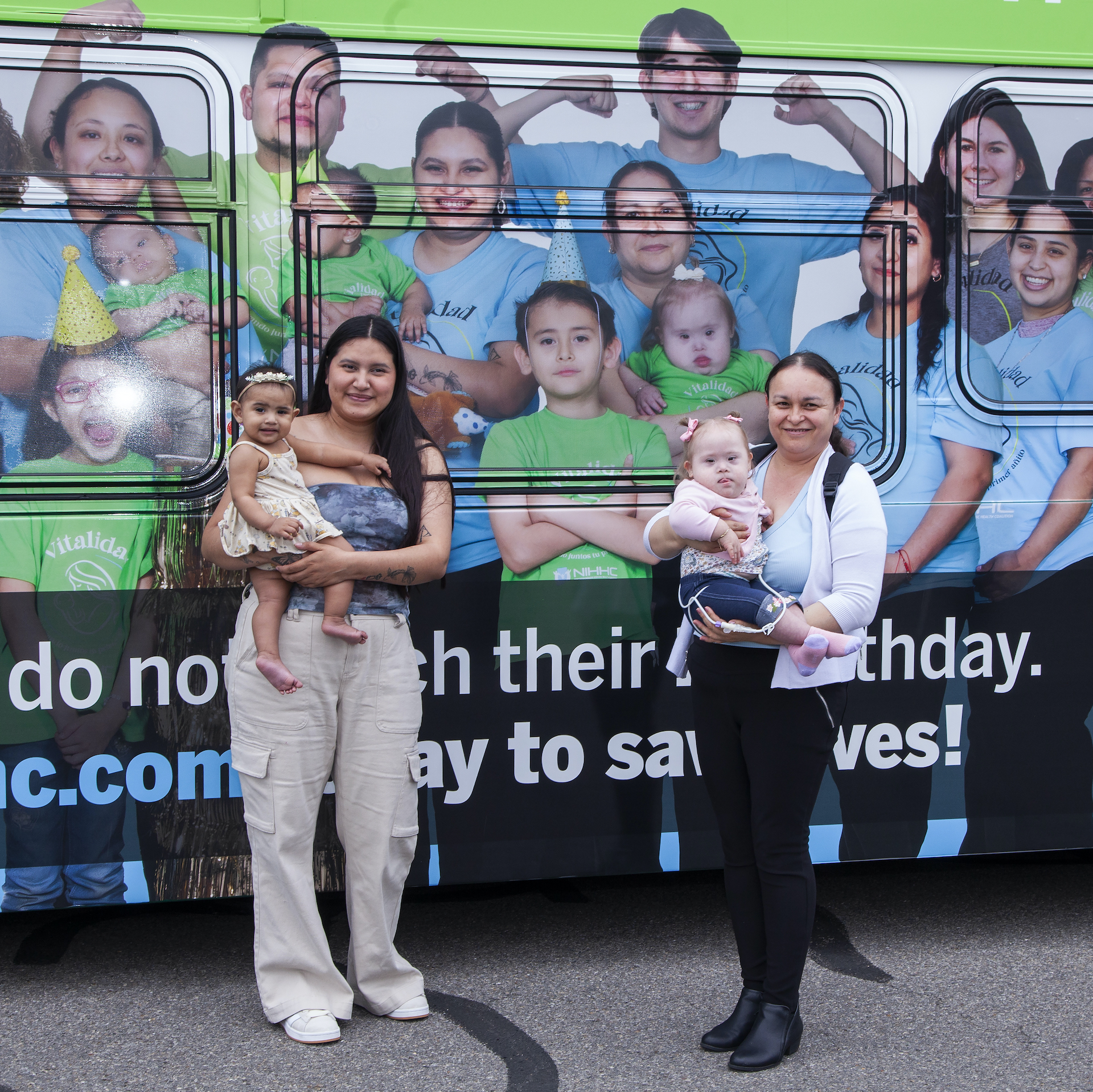
Our Promotores de Salud can refer you to affordable and appropriate maternal and infant health care and other services in our County to support you before, during and after pregnancy, including prenatal care services, physicians, social workers, and health care facilities.
Interpretation Services
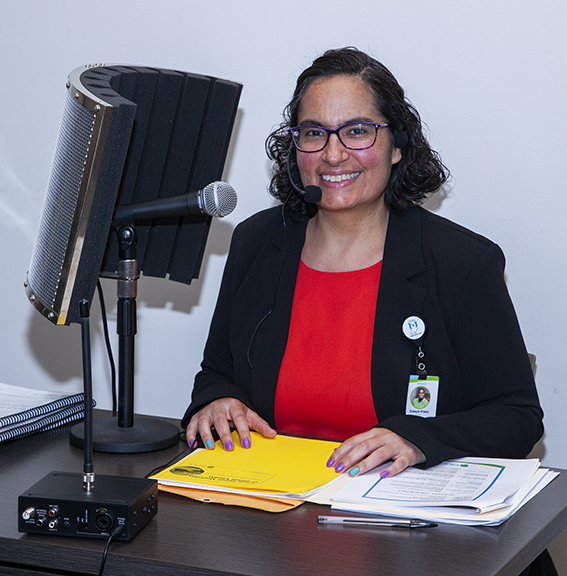
Interpretation services are available for health care services. NIHHC’s bilingual staff who are trained in cultural sensitivity and health-related services can assist you with getting access to the health care services you need.
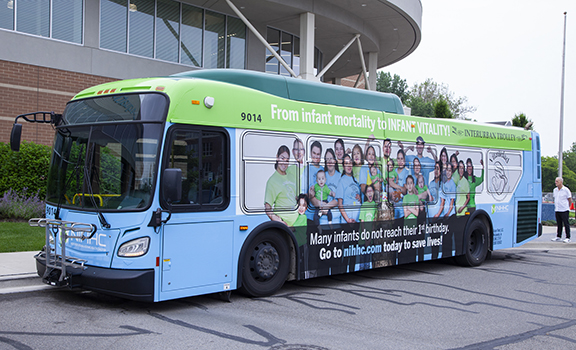
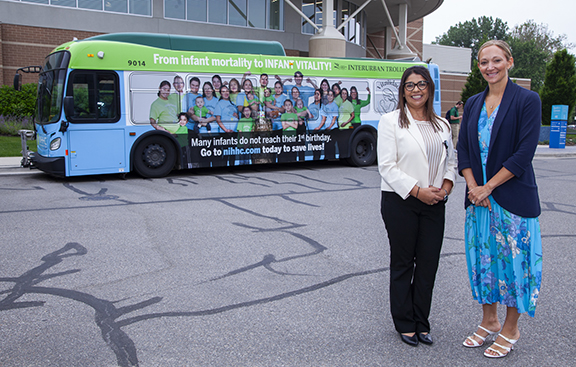
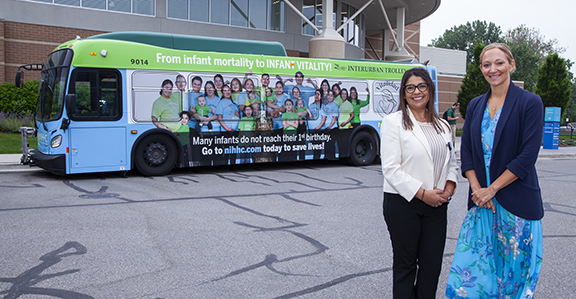
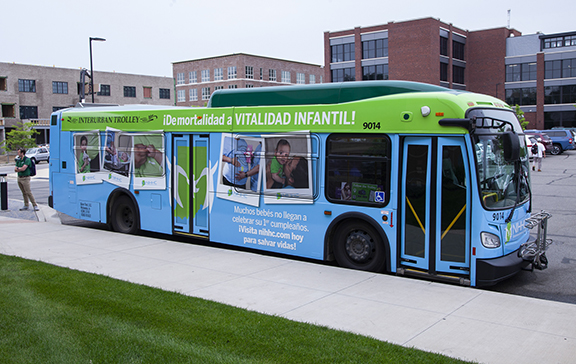
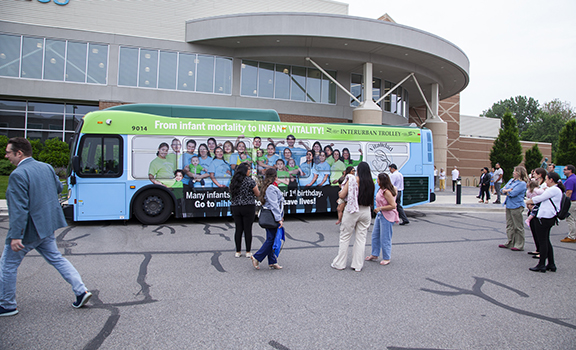
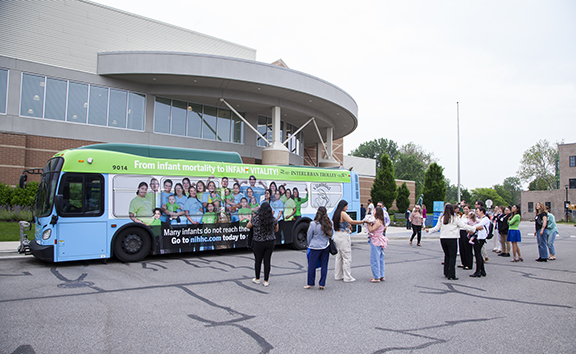
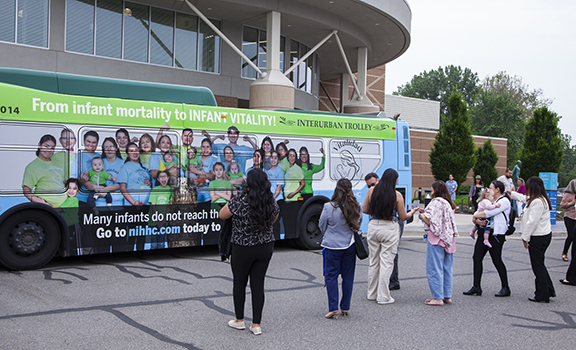
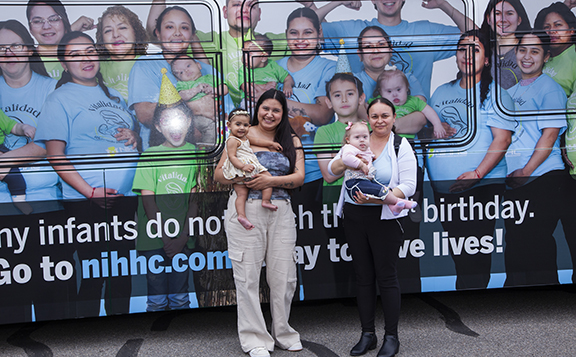
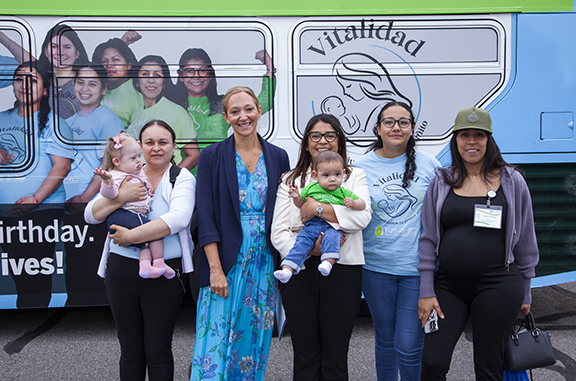
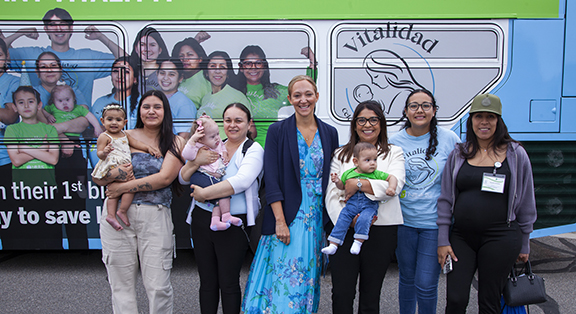
NIHHC’s Vitality Bus drives around Elkhart County raising awareness on infant mortality.
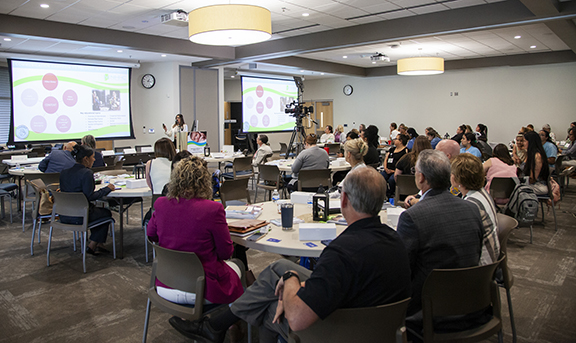
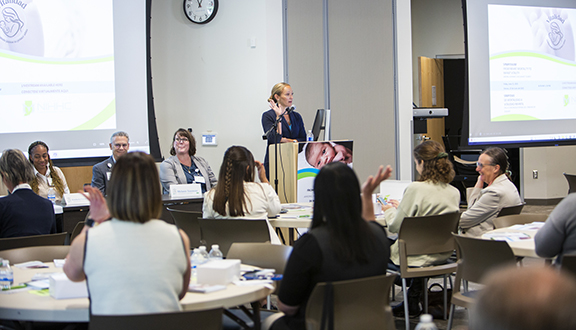
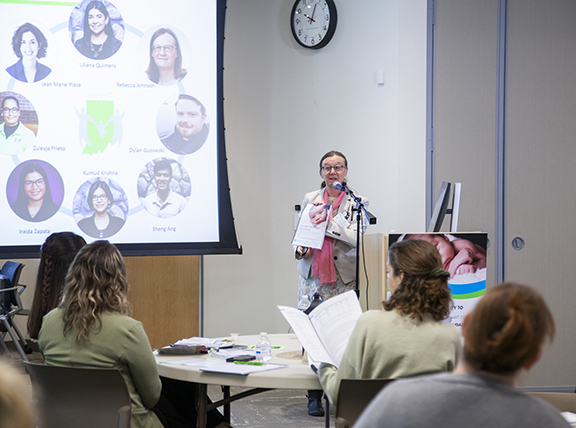
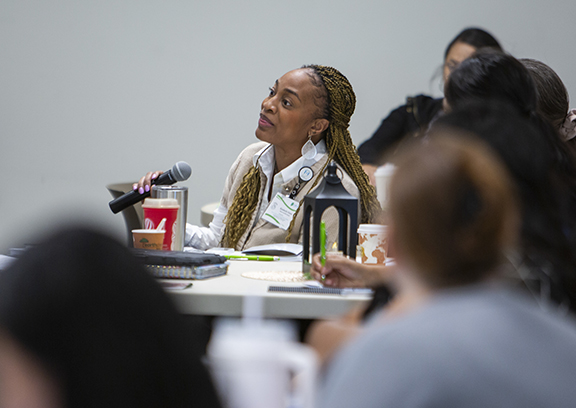
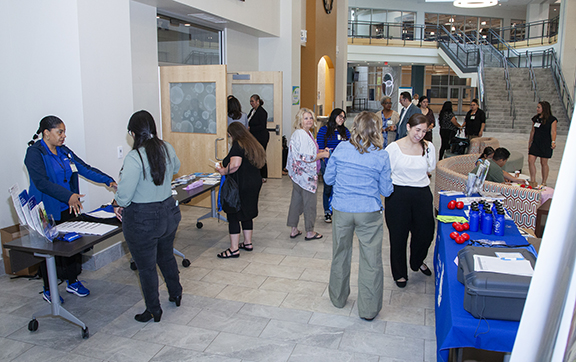
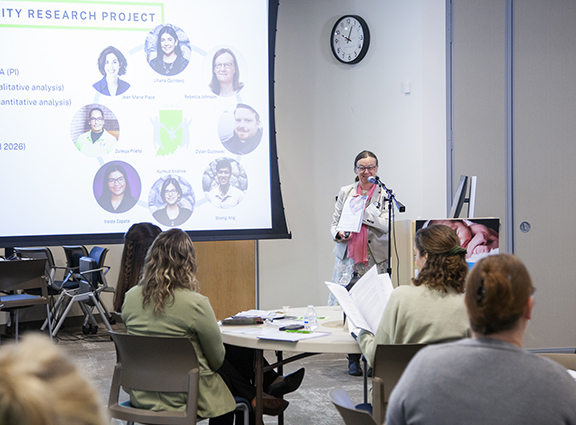
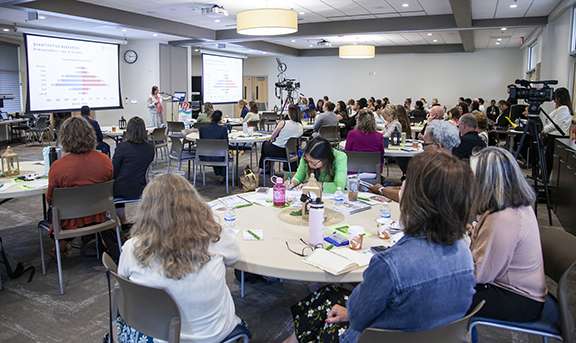
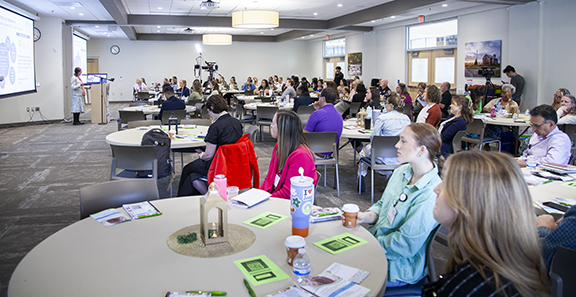
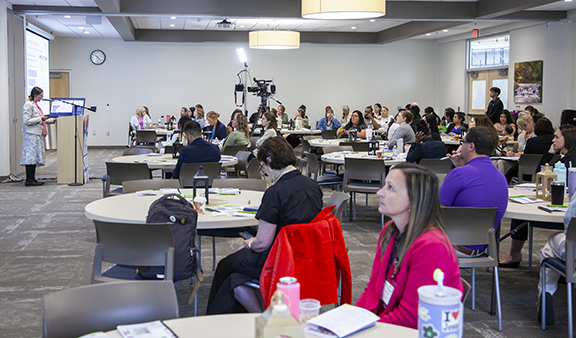
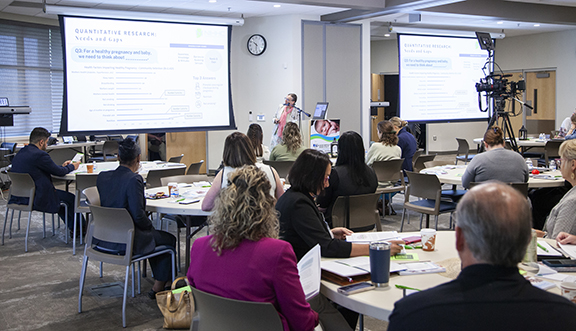
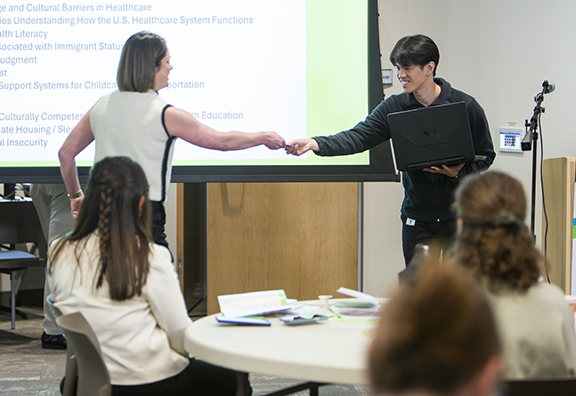
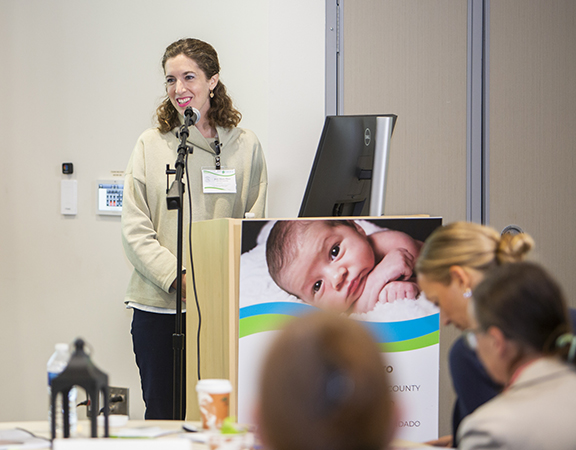
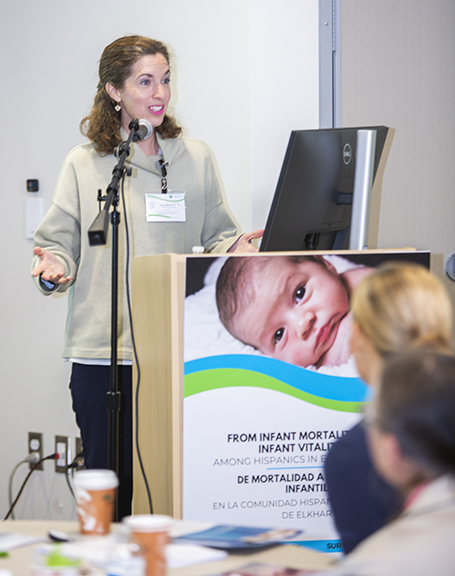
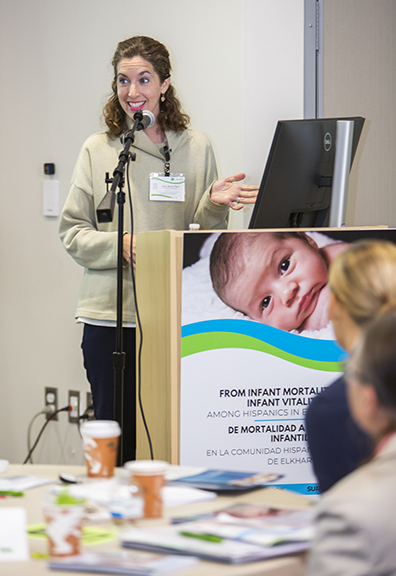
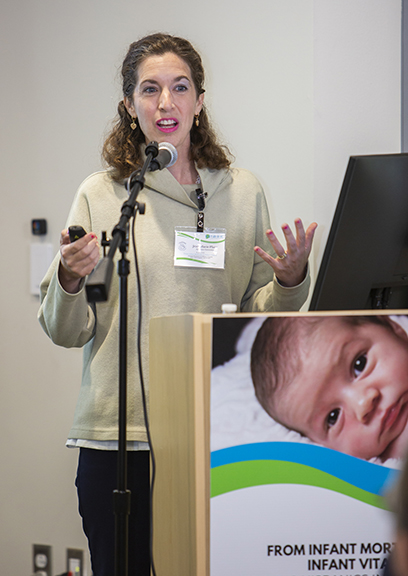
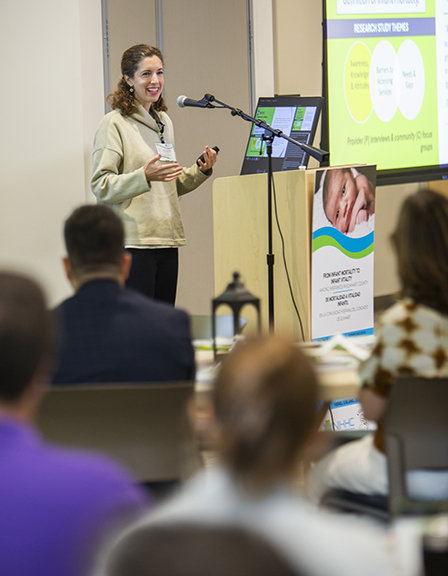
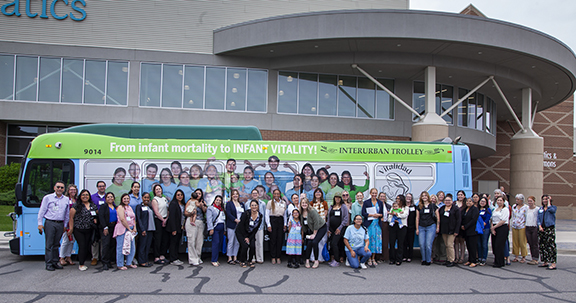
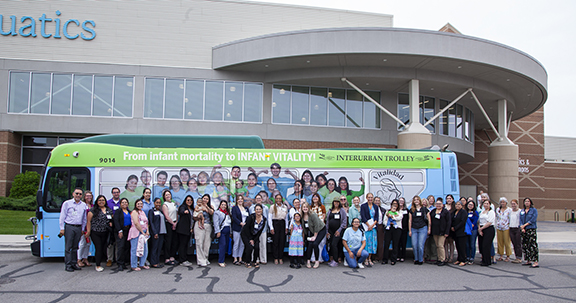
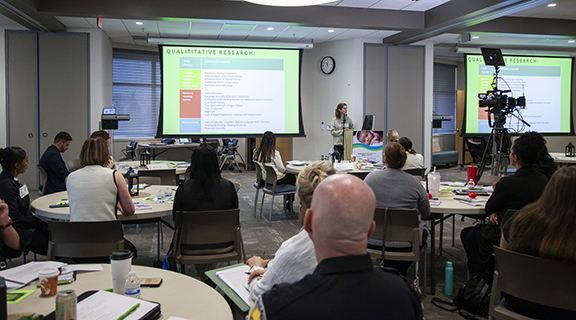
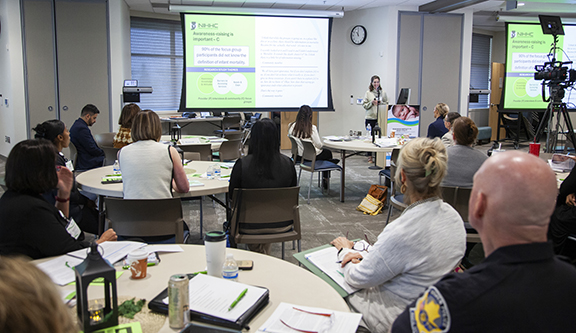
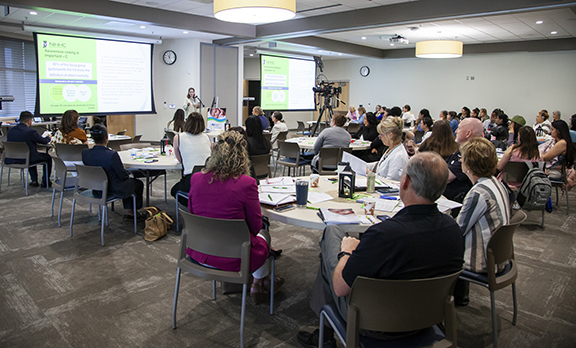
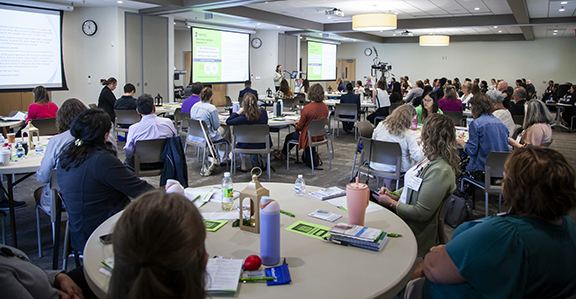
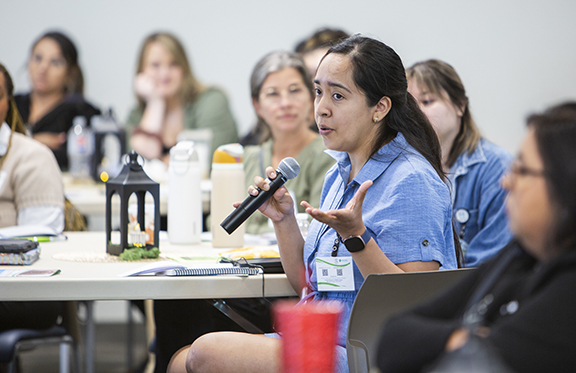
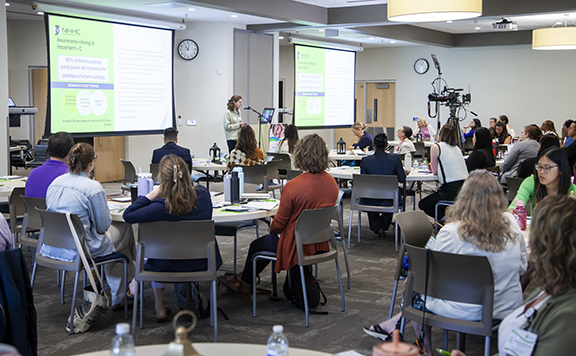
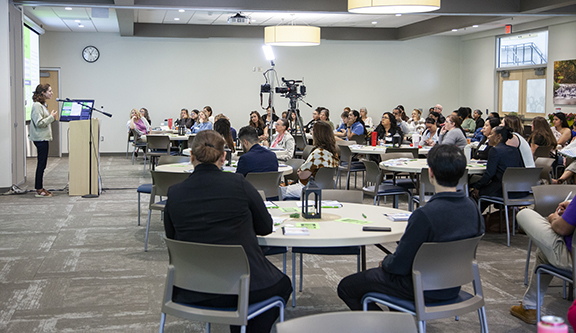
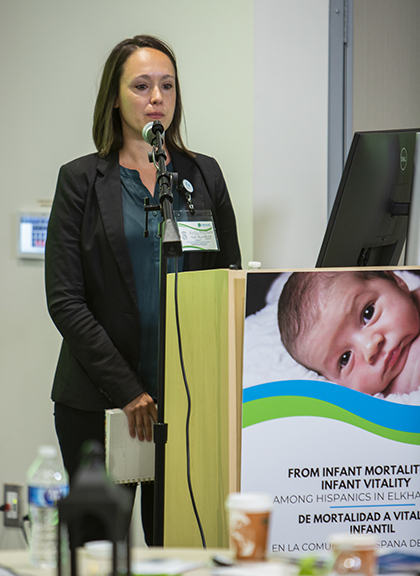
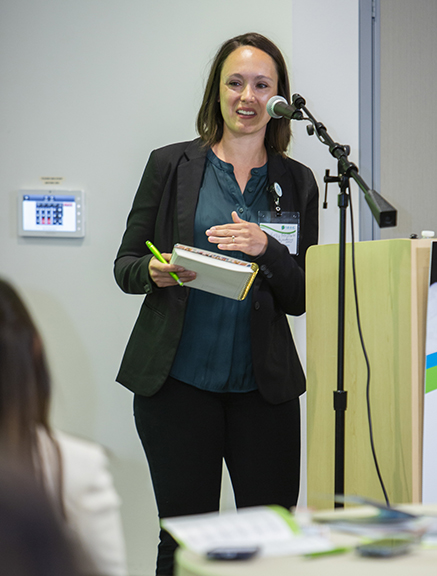
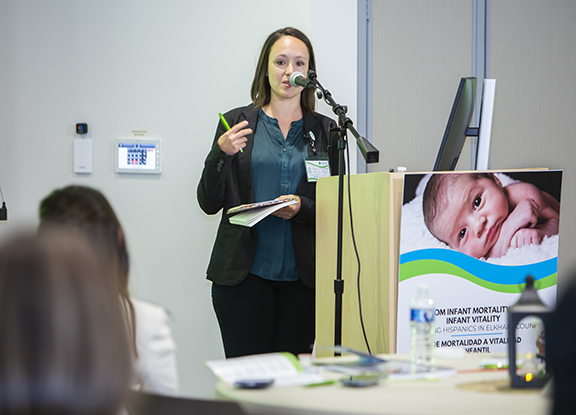
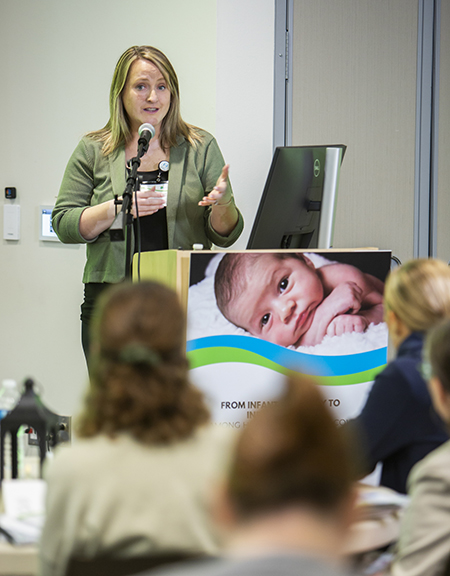
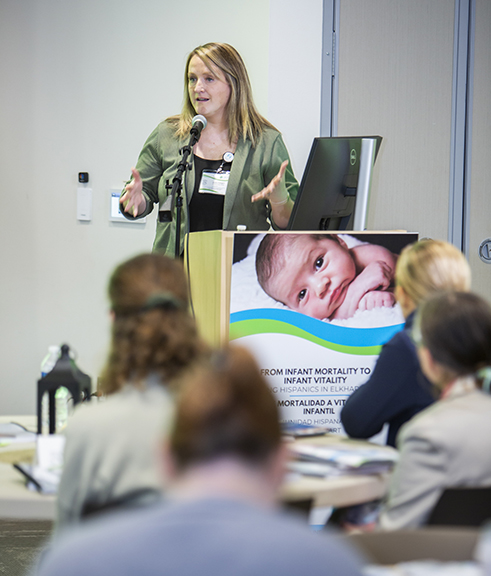
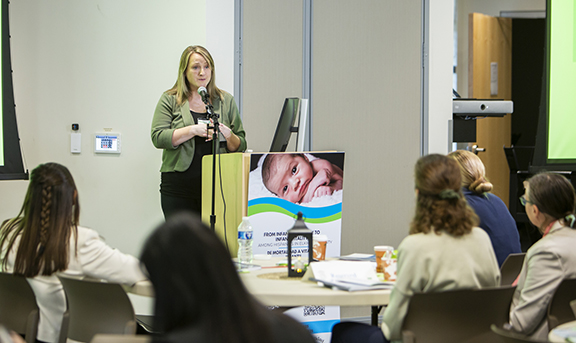
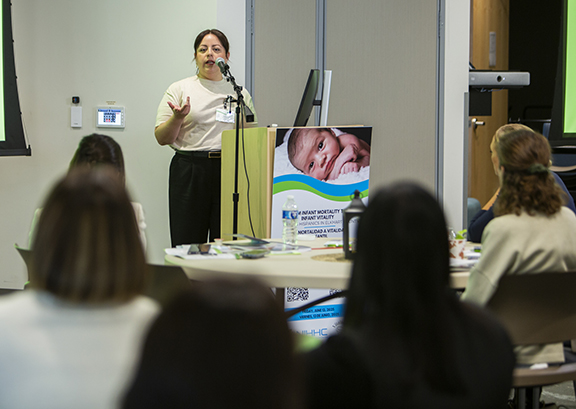
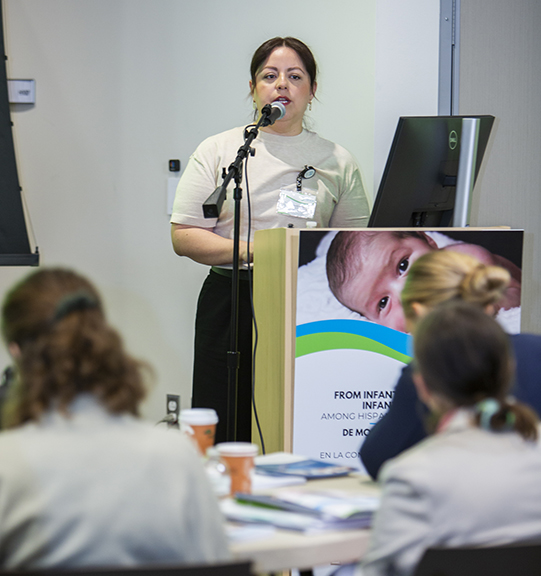
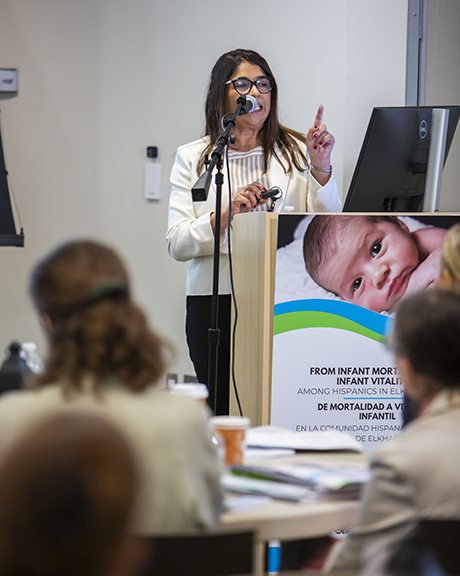
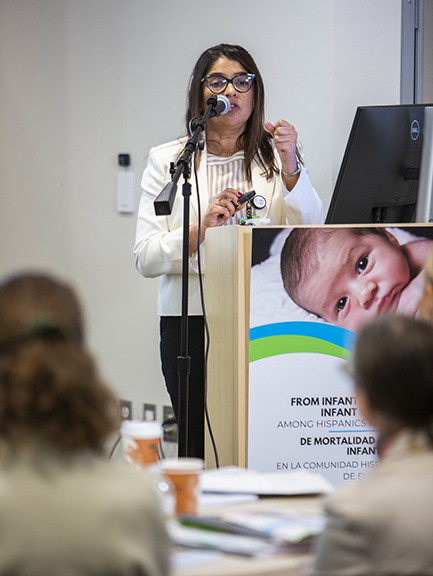
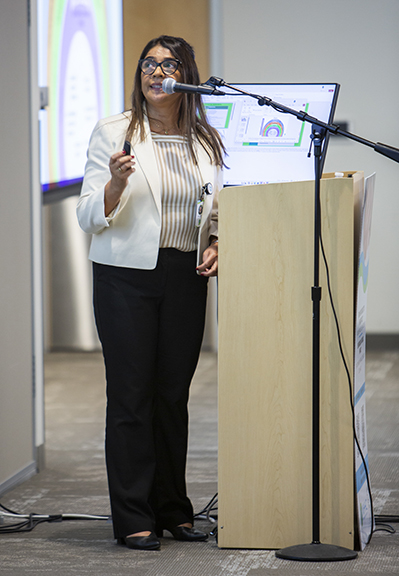
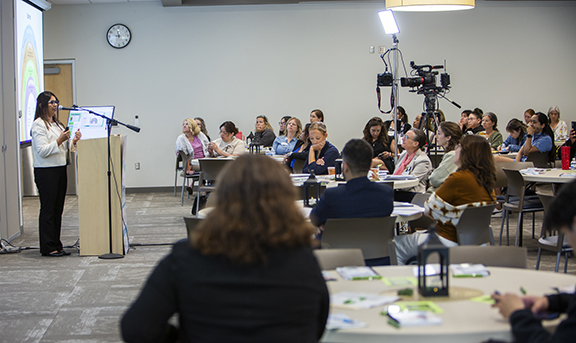
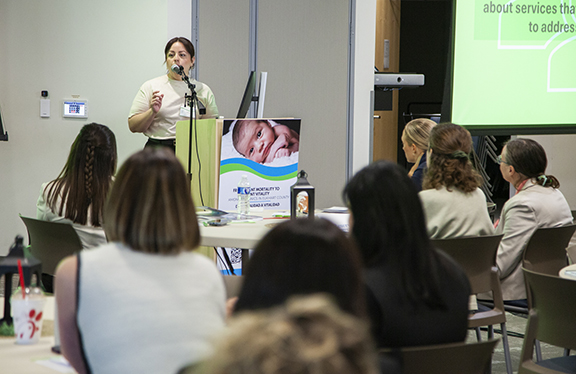
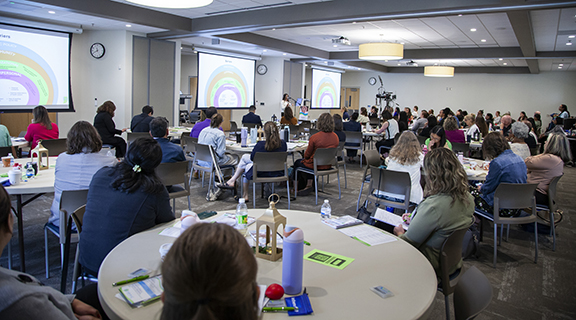
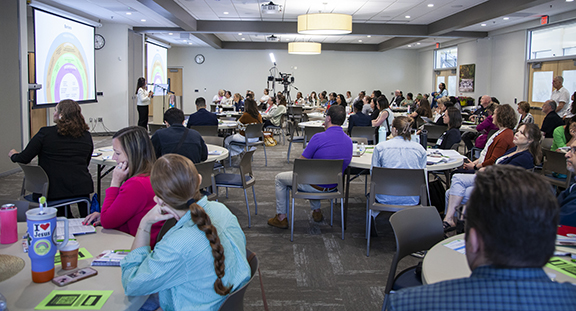
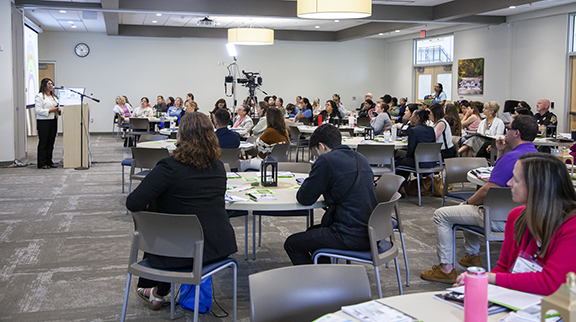
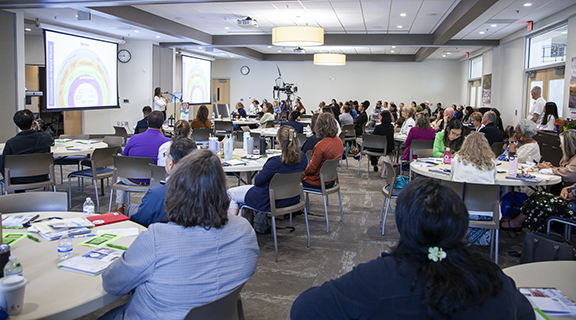
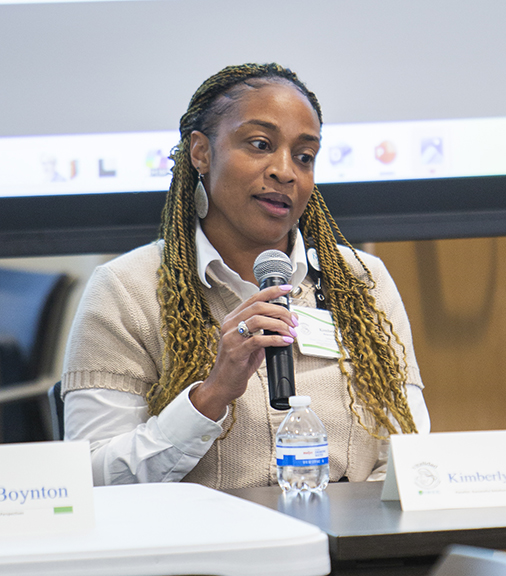
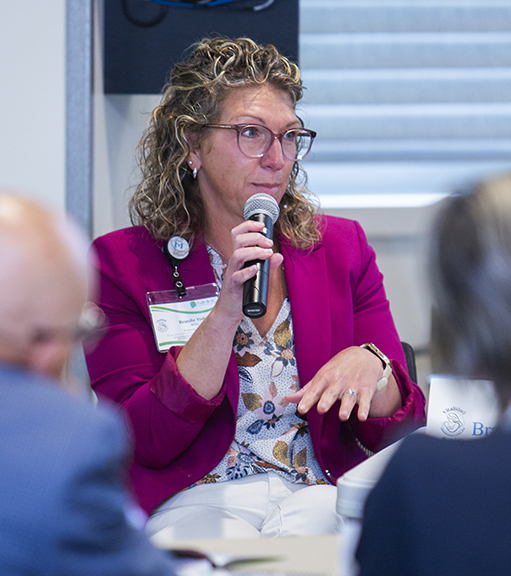
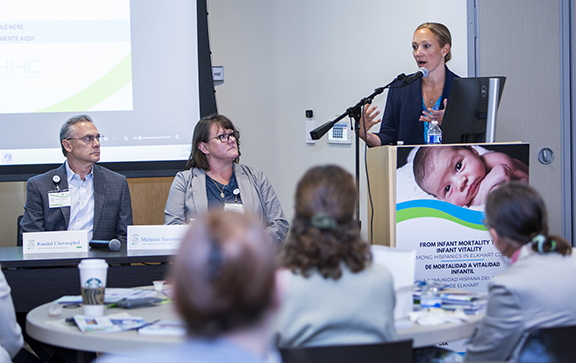
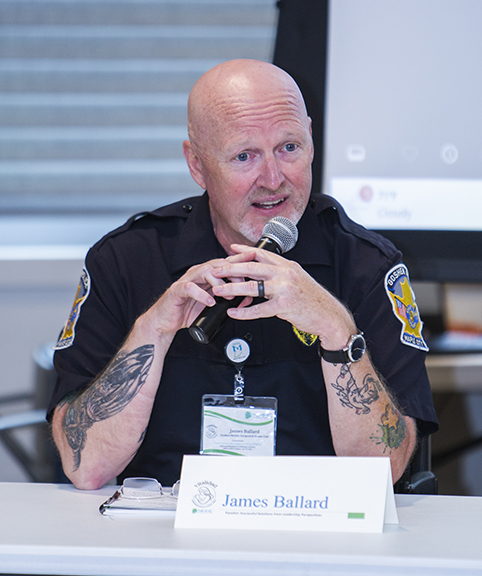
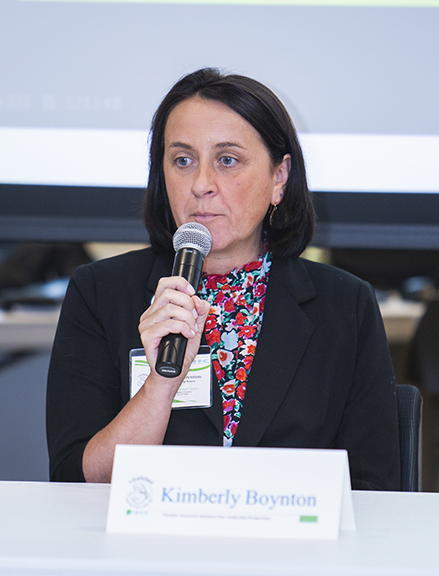
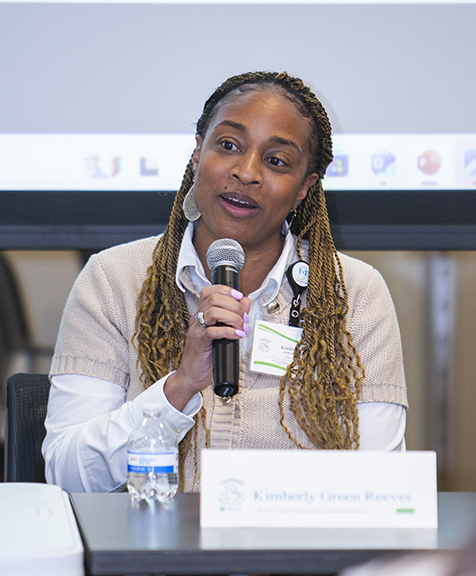
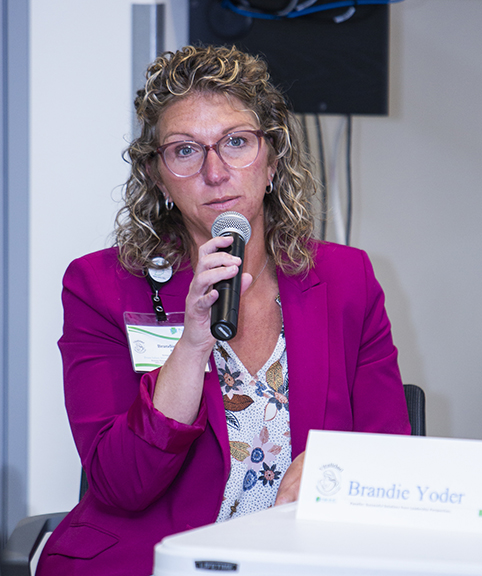
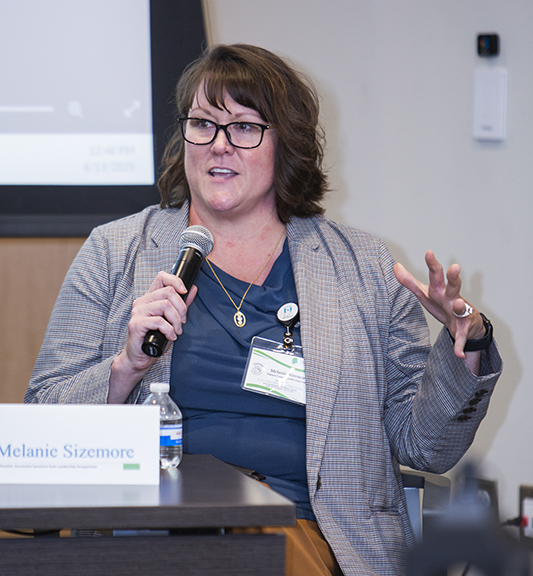
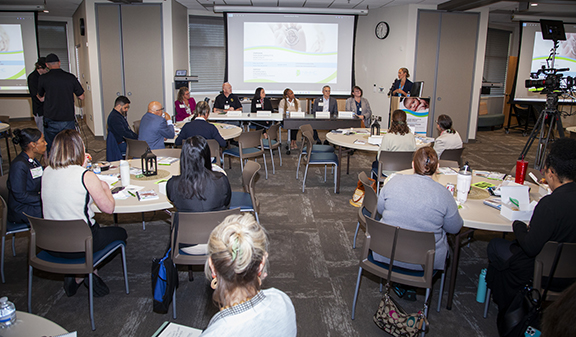
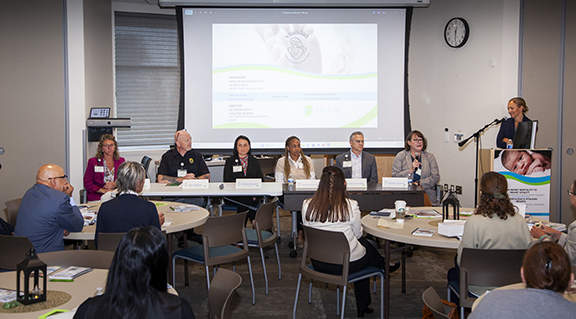
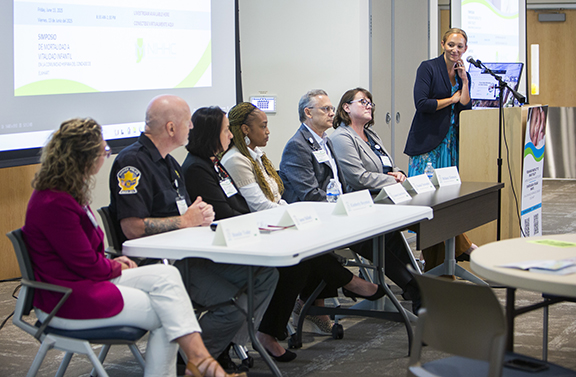
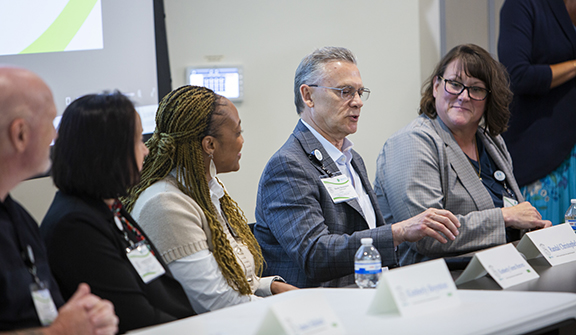
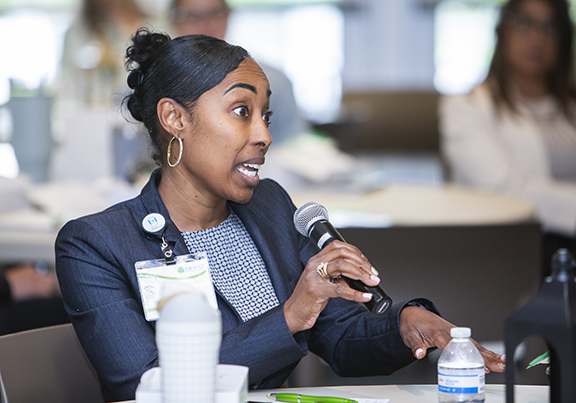
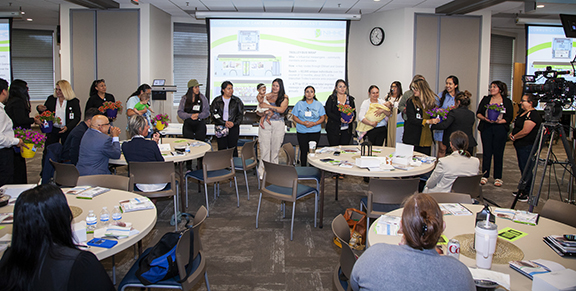
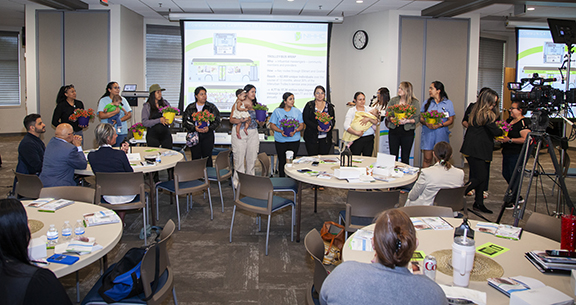
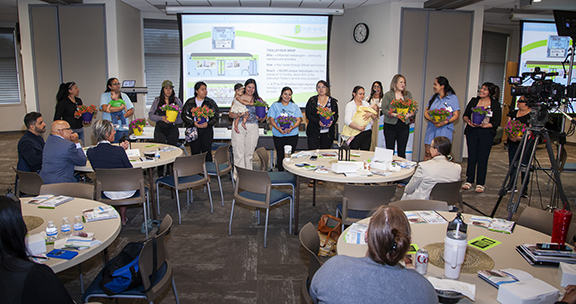
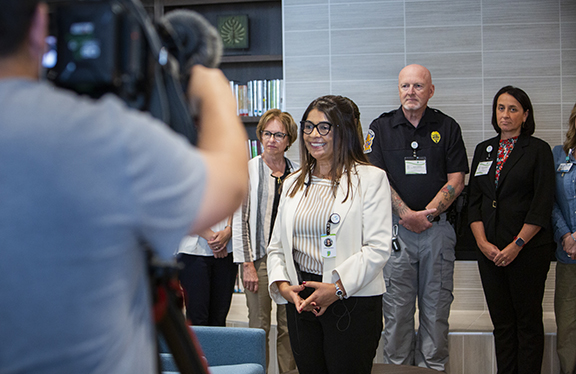
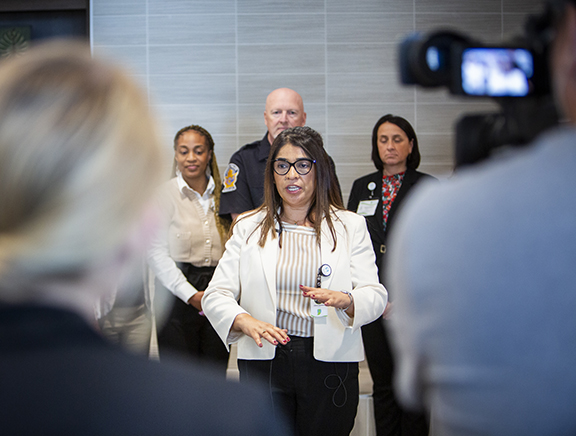
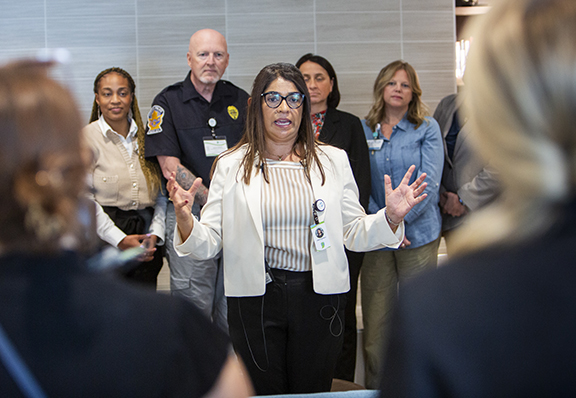
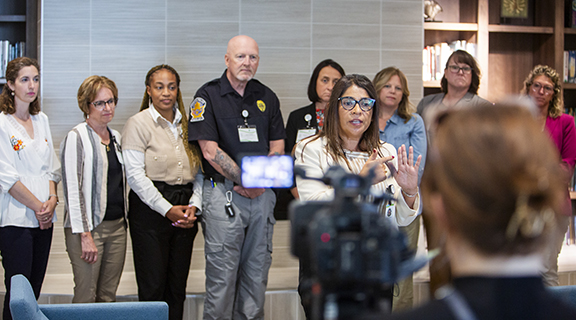
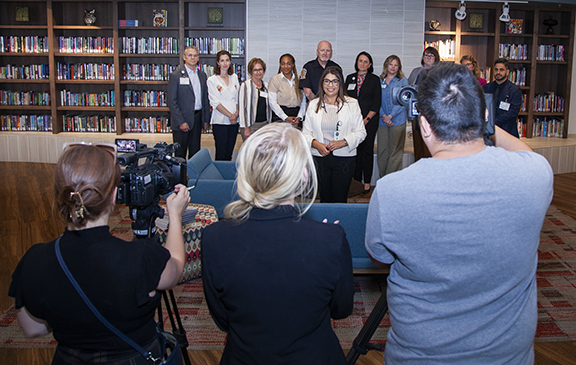
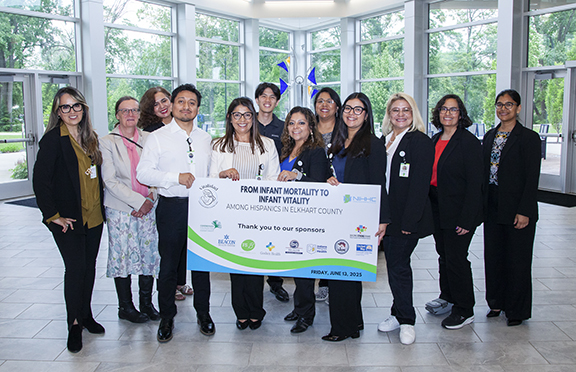
NIHHC’s symposium, “From Infant Mortality to Infant Vitality,” shined the spotlight on the need for better prenatal and infant healthcare in our community, particularly among Hispanic families in Elkhart County.
To watch videos, results and learn more about the symposium, click here








INFANT MORTALITY
The death of a baby before their first birthday



Health Services